
Live systems · 14 November 2026 · 4 min read
Everything is AI
Everything seems to be AI now. My systems aren't: I set the rules, the parameters and the library they draw from.
By Nuno Alecrim
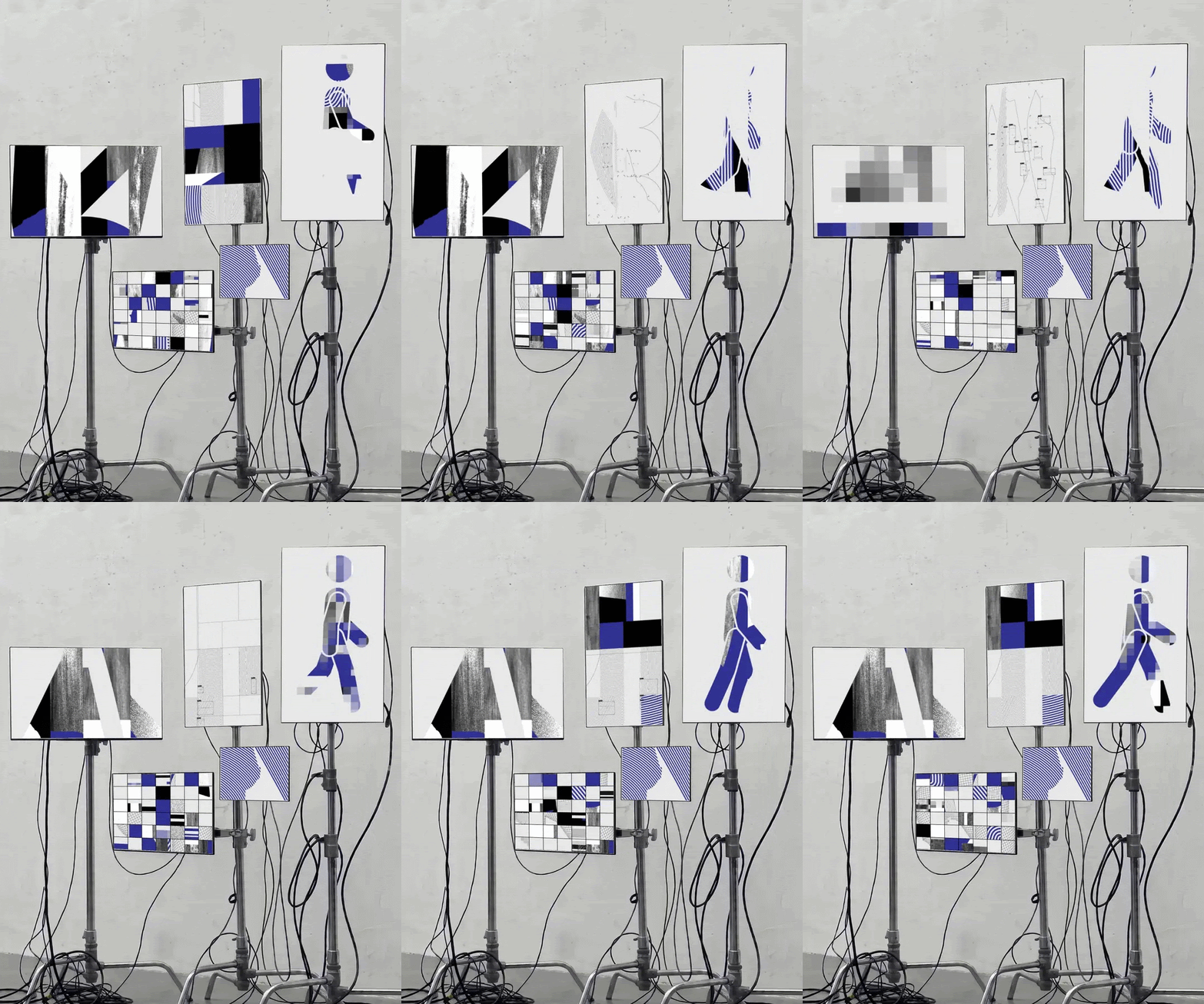
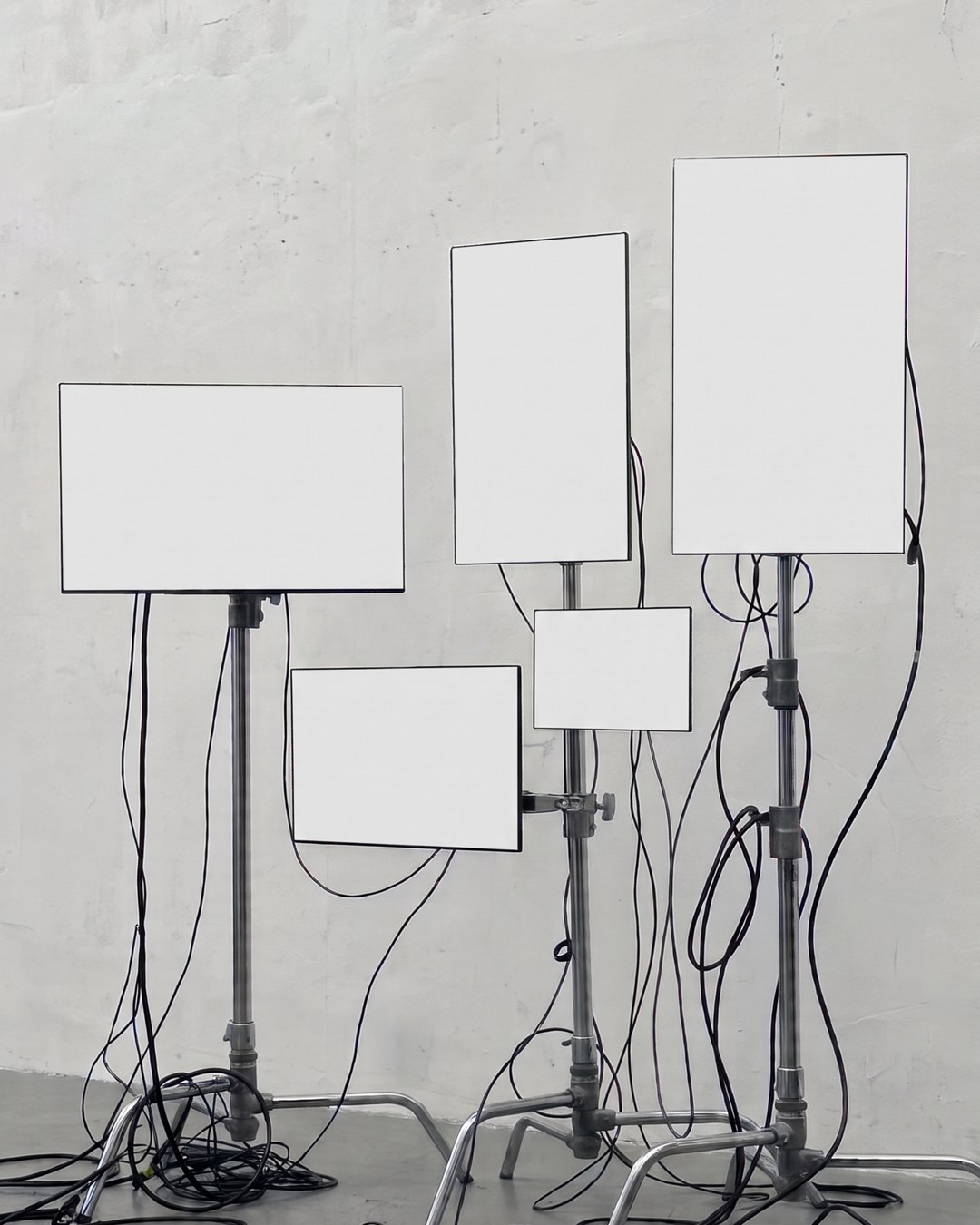
Almost every new image now meets the same question: was it made with AI? My work hears it too. The answer is no. My generative art is not AI, and AI doesn't do the work for me.
A word for everything
The word has stretched to cover almost anything made with a screen. If an image is new, precise and slightly unexpected, the assumption is that a model produced it from a prompt.
The suspicion is understandable. Models trained on millions of images can now make new ones on request, and the result is often hard to tell apart from a person's work. It is a fair thing to ask about.
It just isn't how my work is made.
Who sets the rules
In my systems nothing is learned from other people's images, and nothing comes from a prompt. I define the rules: how a composition is built, how many columns it holds, how forms meet, where white space is kept, which colours can sit together. I set the parameters and the limits.
Each system draws only on my own library: the forms, graphic elements, textures and colours I made myself. Within those rules, the system combines and recombines. It doesn't invent a new visual language. It works inside mine.
Where the library comes from
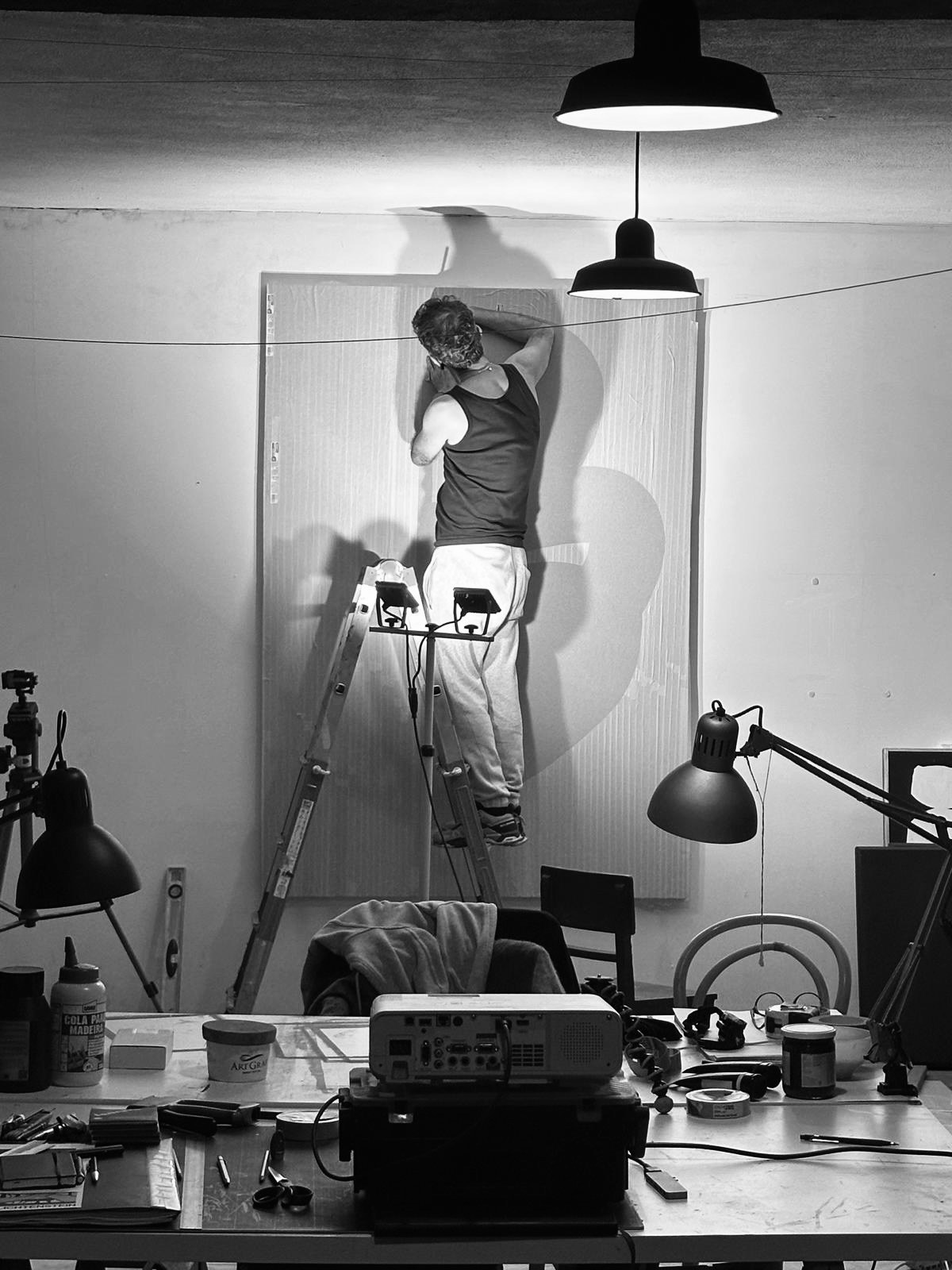
Everything the systems use starts away from the screen. I trace fragments by hand and turn them into shapes. I make textures on paper, with brush and pigment, and bring them in as material. Nothing enters a system that I didn't make first.

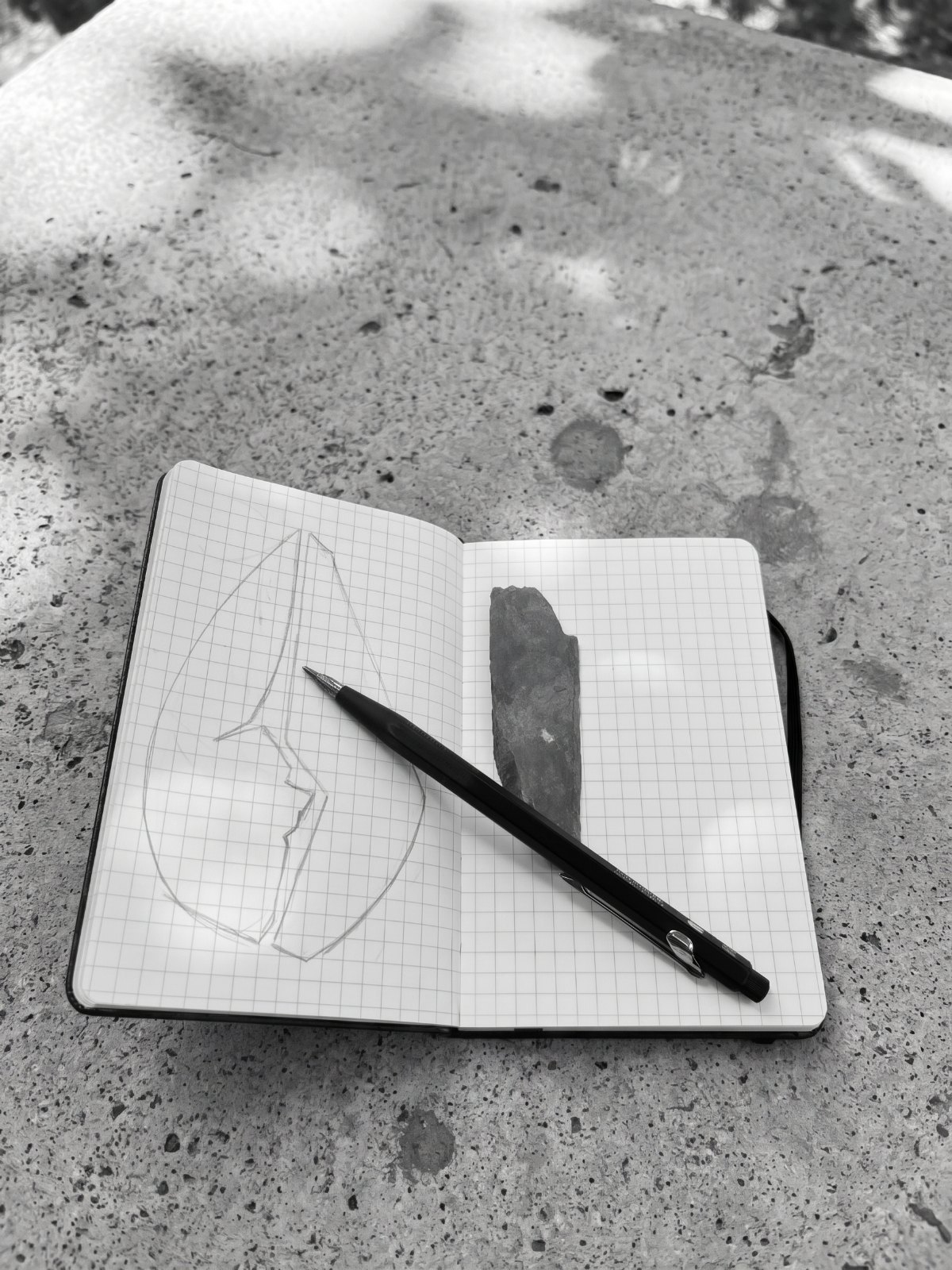

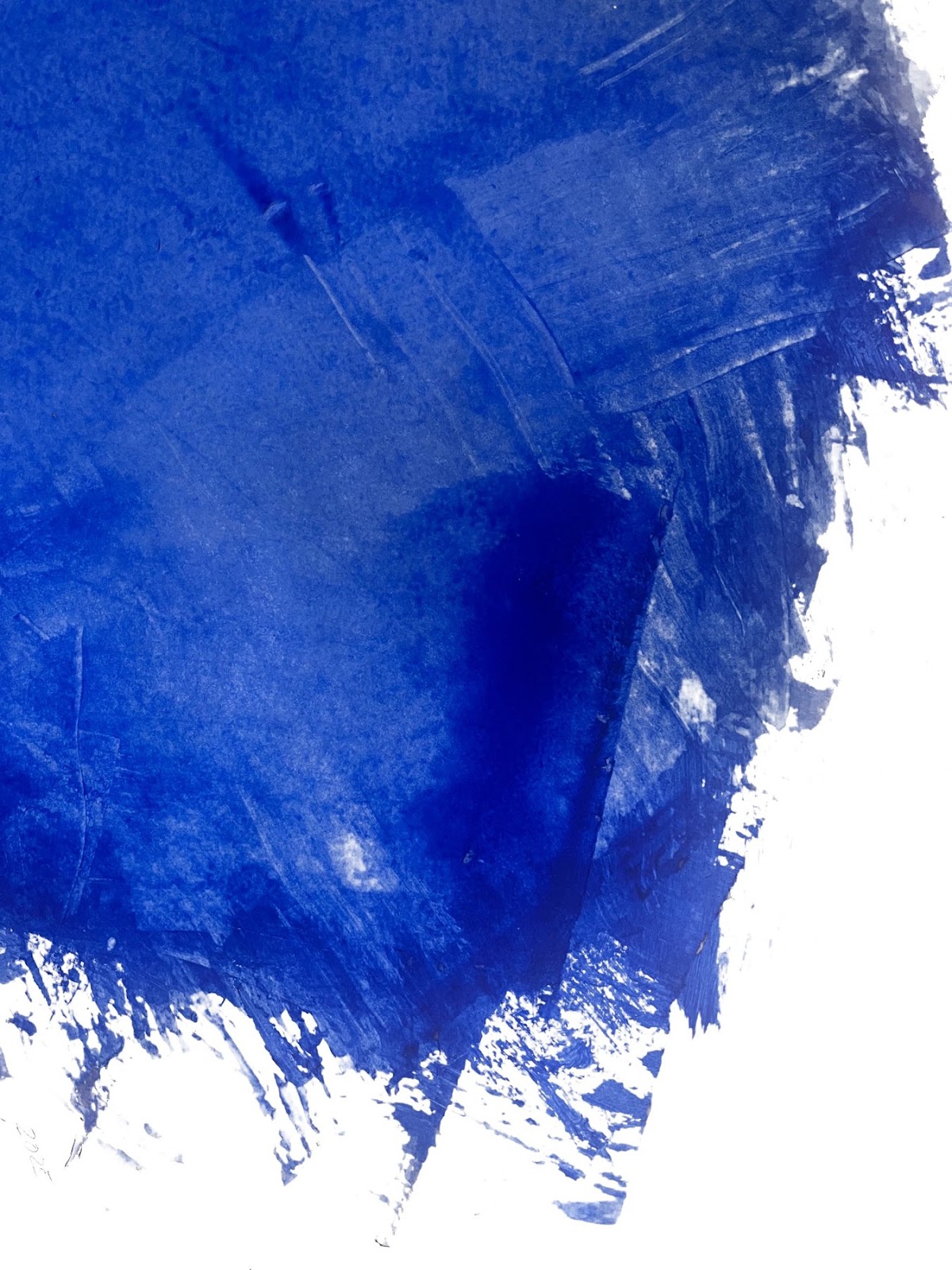
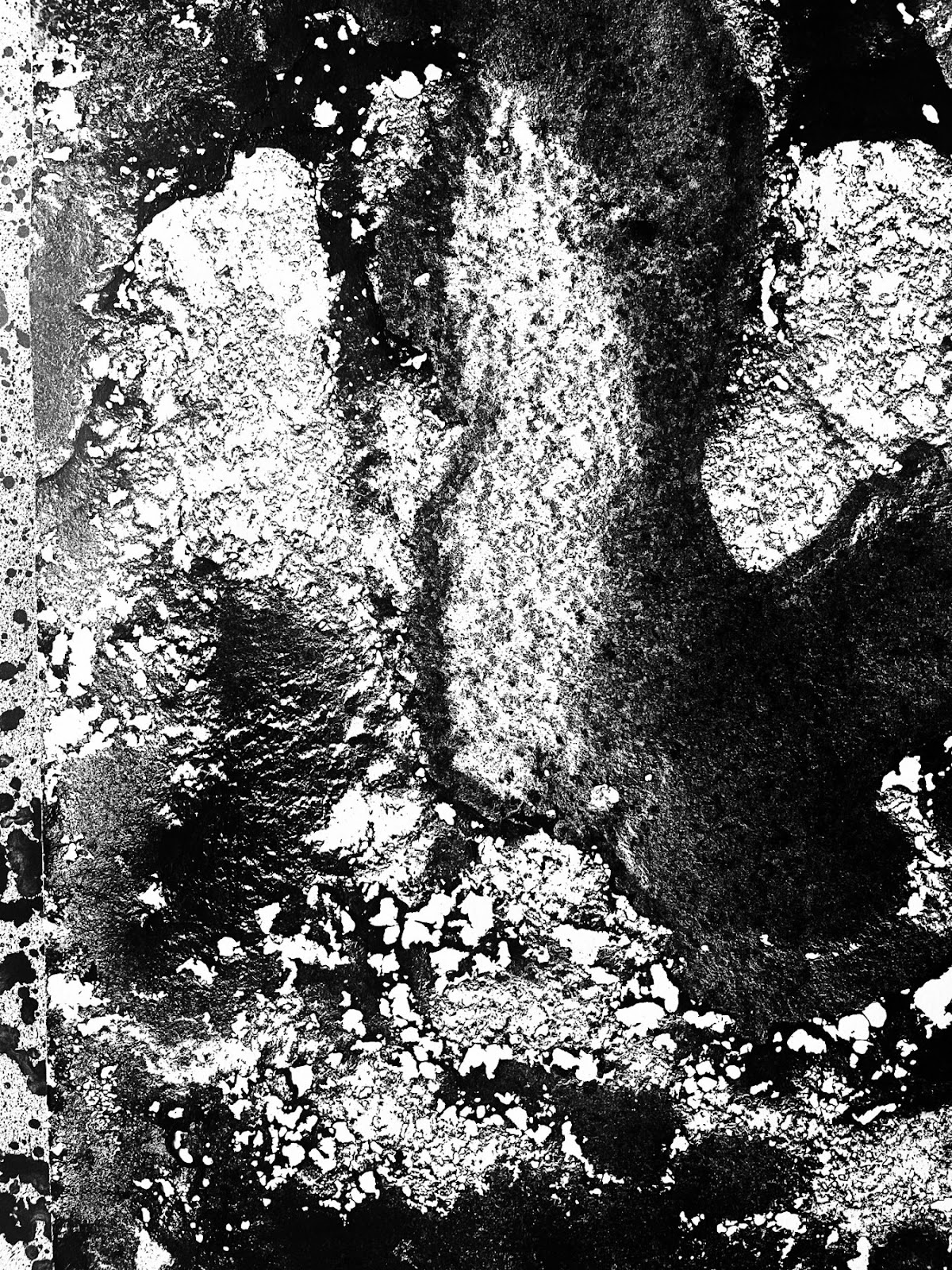
The rules are mine. The system keeps them.
What comes out
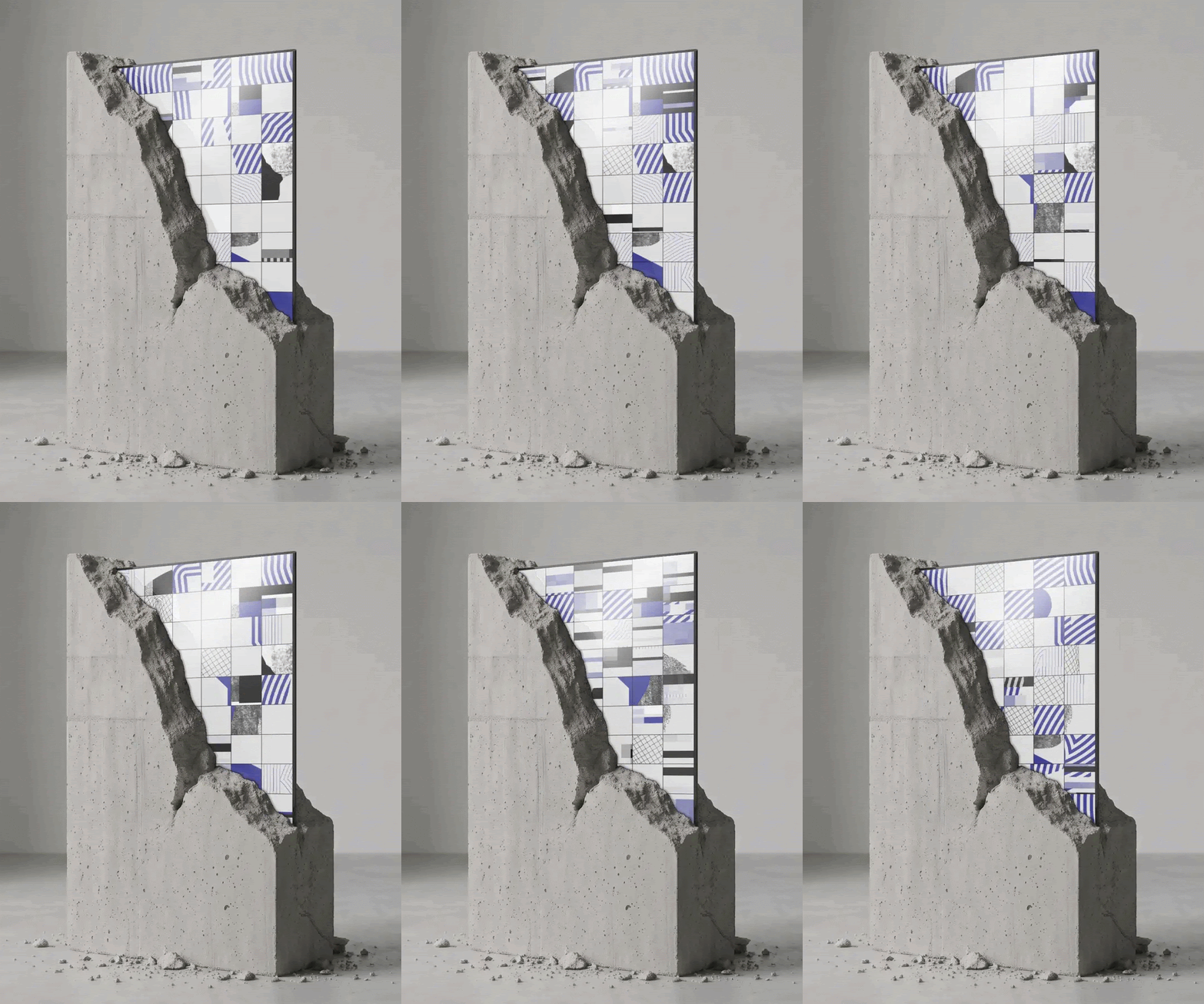
Each composition carries its own code: the system, the date, the time and a short mark of its own. No two are the same, and none of them was described to a machine first. Three systems work from the same library, and each one composes in its own way.
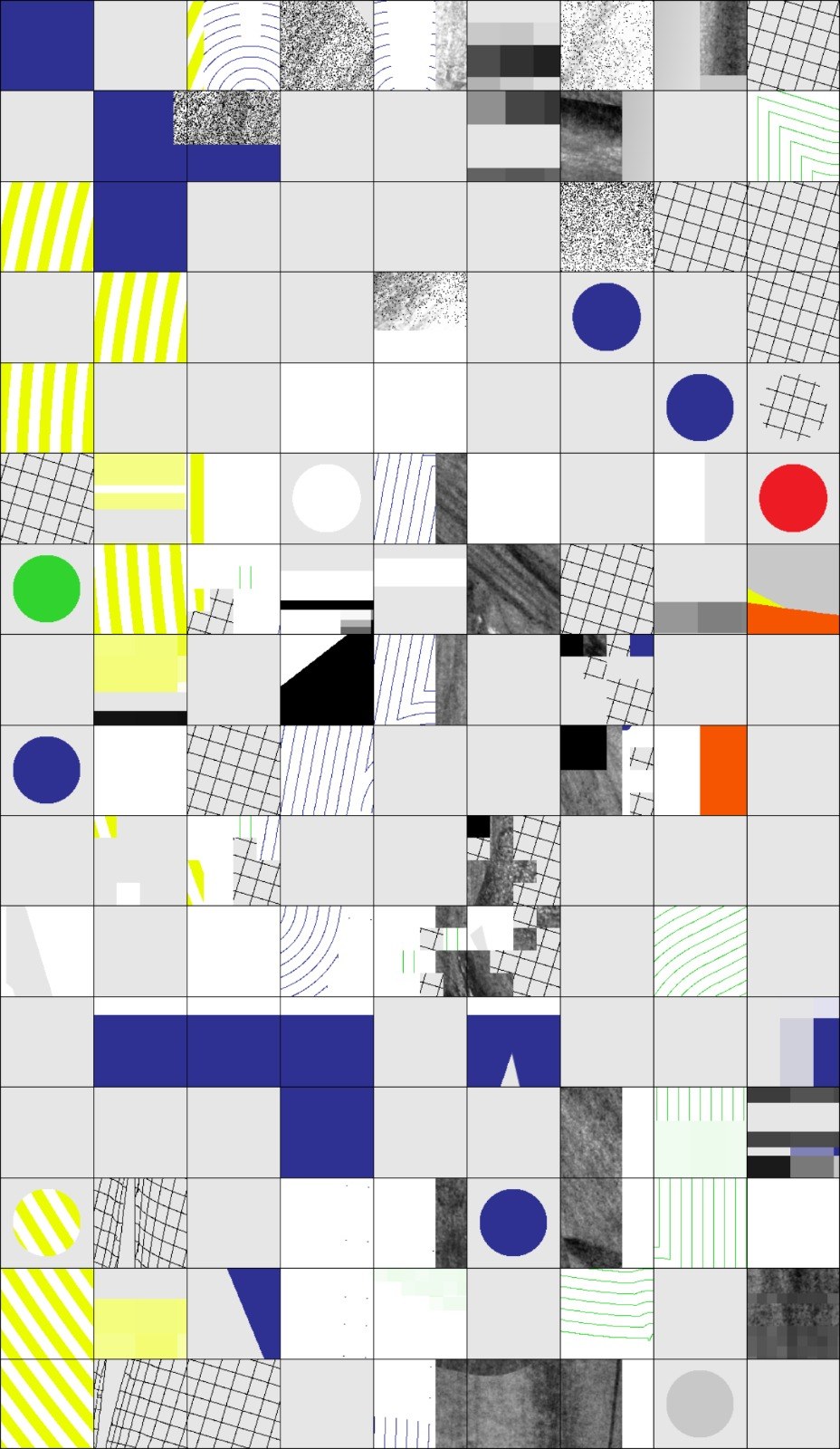
GR-261109-1856-8EN
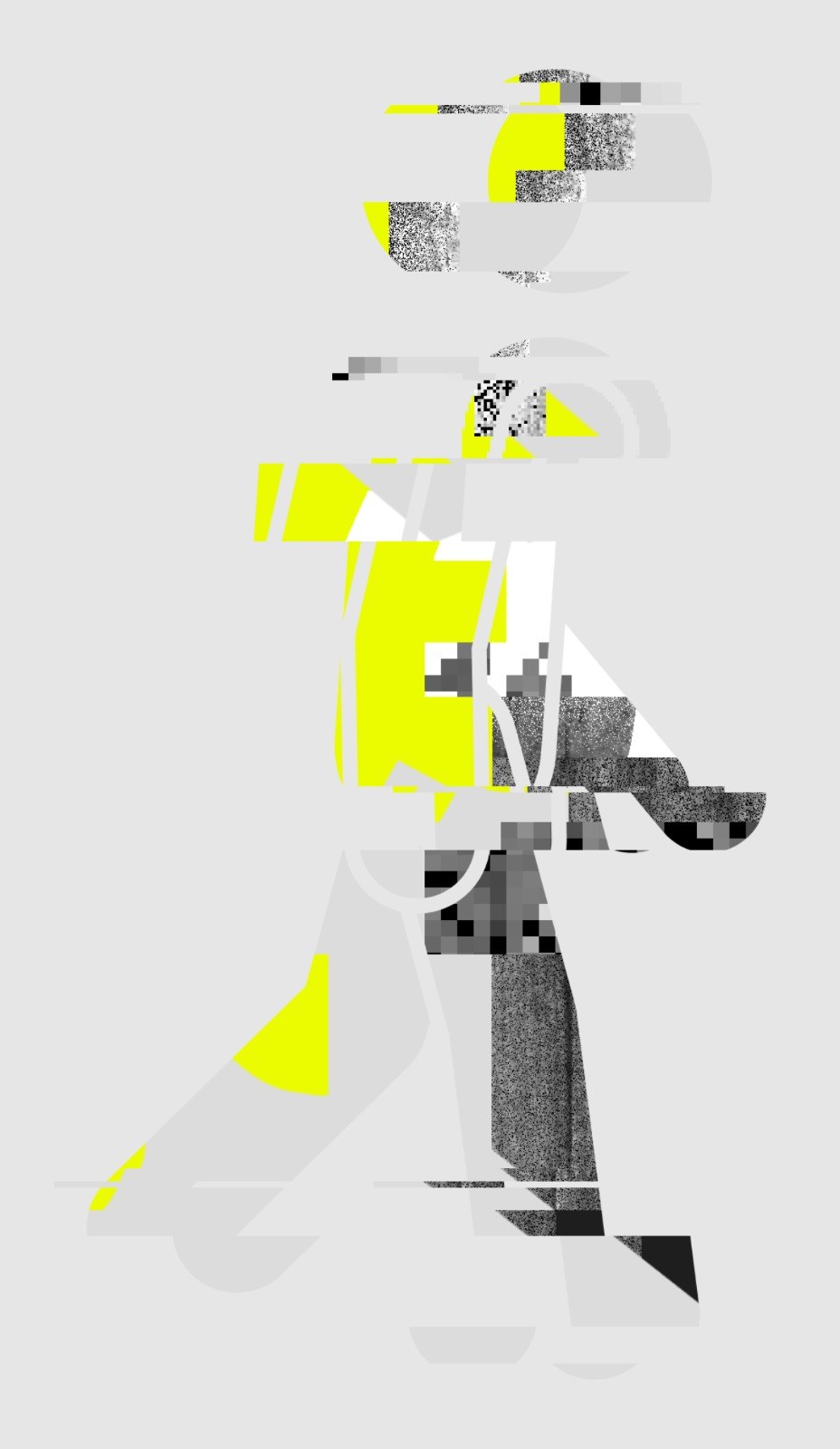
TW-261113-1325-25K
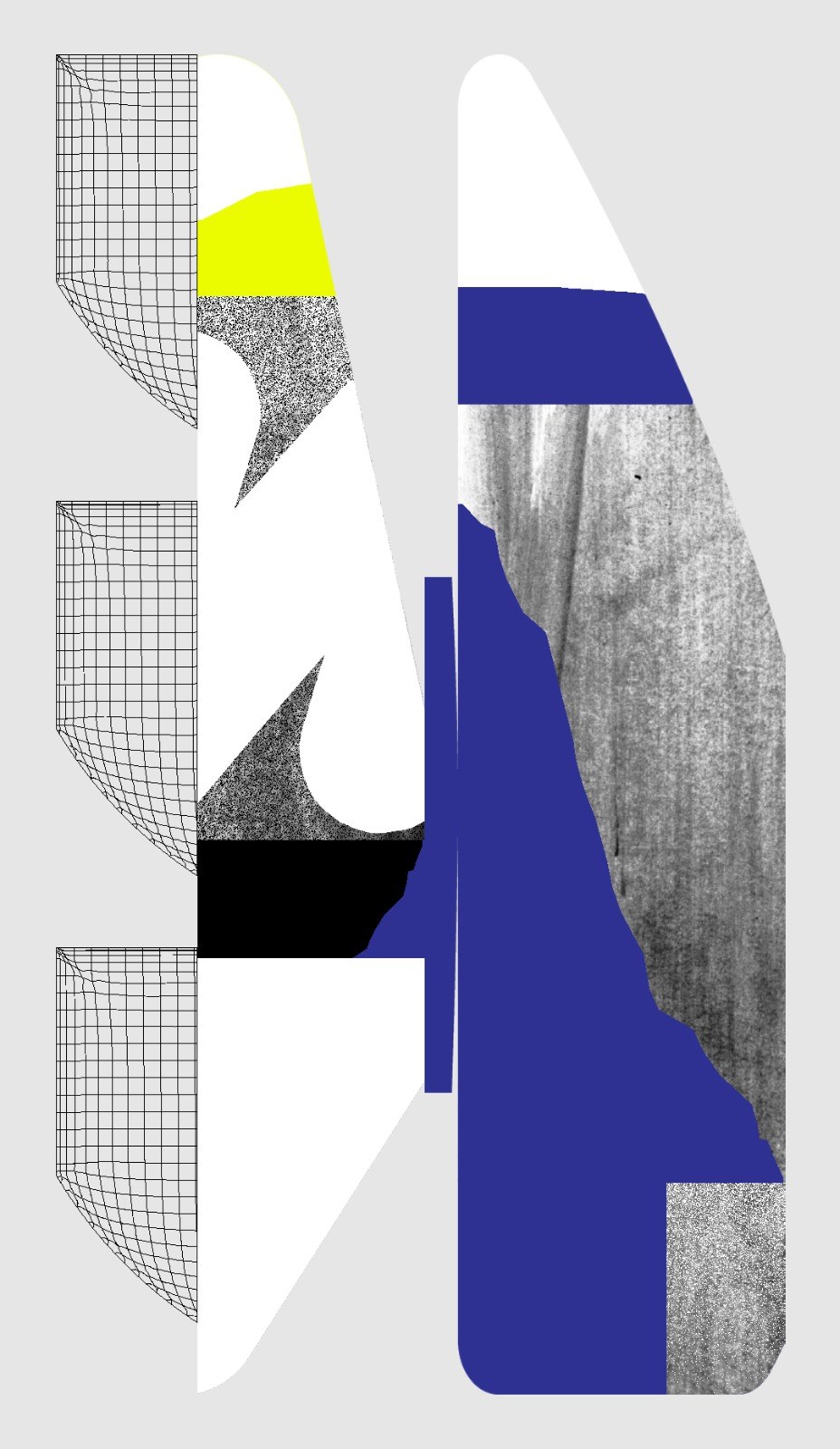
PS-261113-1811-P7S
An instrument, not an author
A generative system is closer to an instrument than to an author. It is built and tuned one decision at a time: a new way of composing is added, tested, refined, or thrown out. When a composition doesn't hold, I change the rules; I don't settle for the image.
What the system adds is time and number. It keeps composing when no one is in the room, and it gives me combinations I would never have the hours to draw, some I hadn't thought of myself. The choices behind every one of them are still mine.
One practice
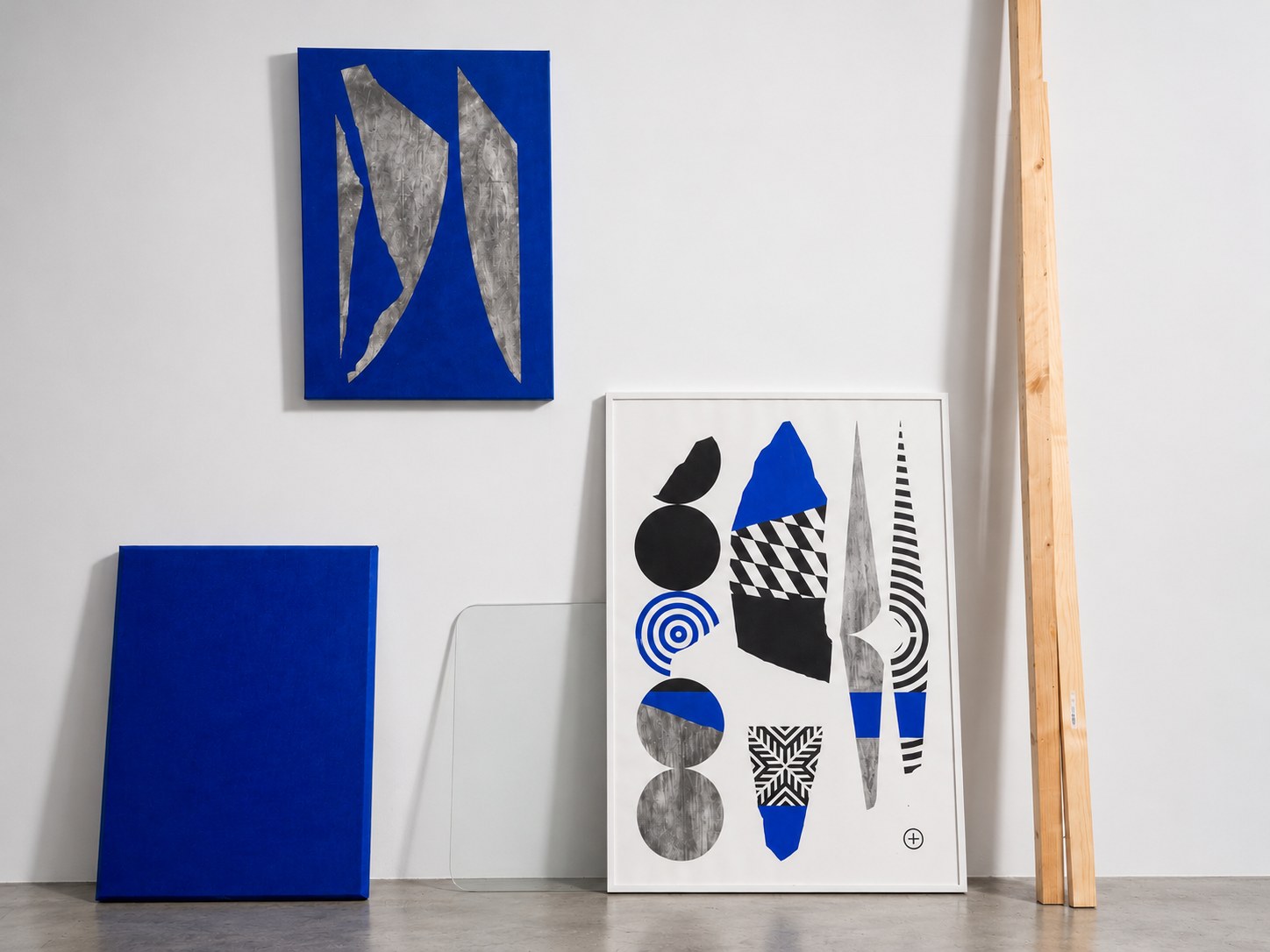
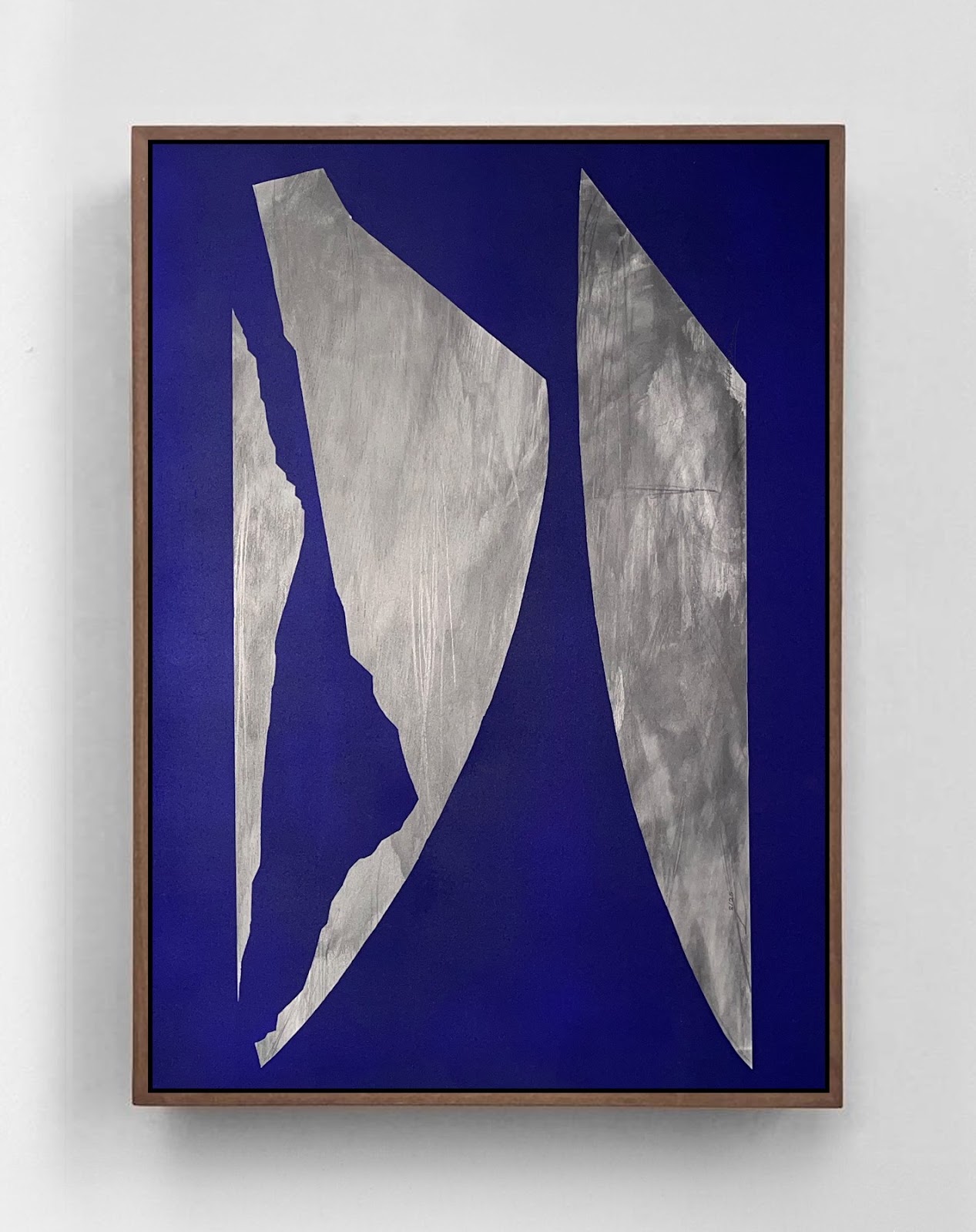
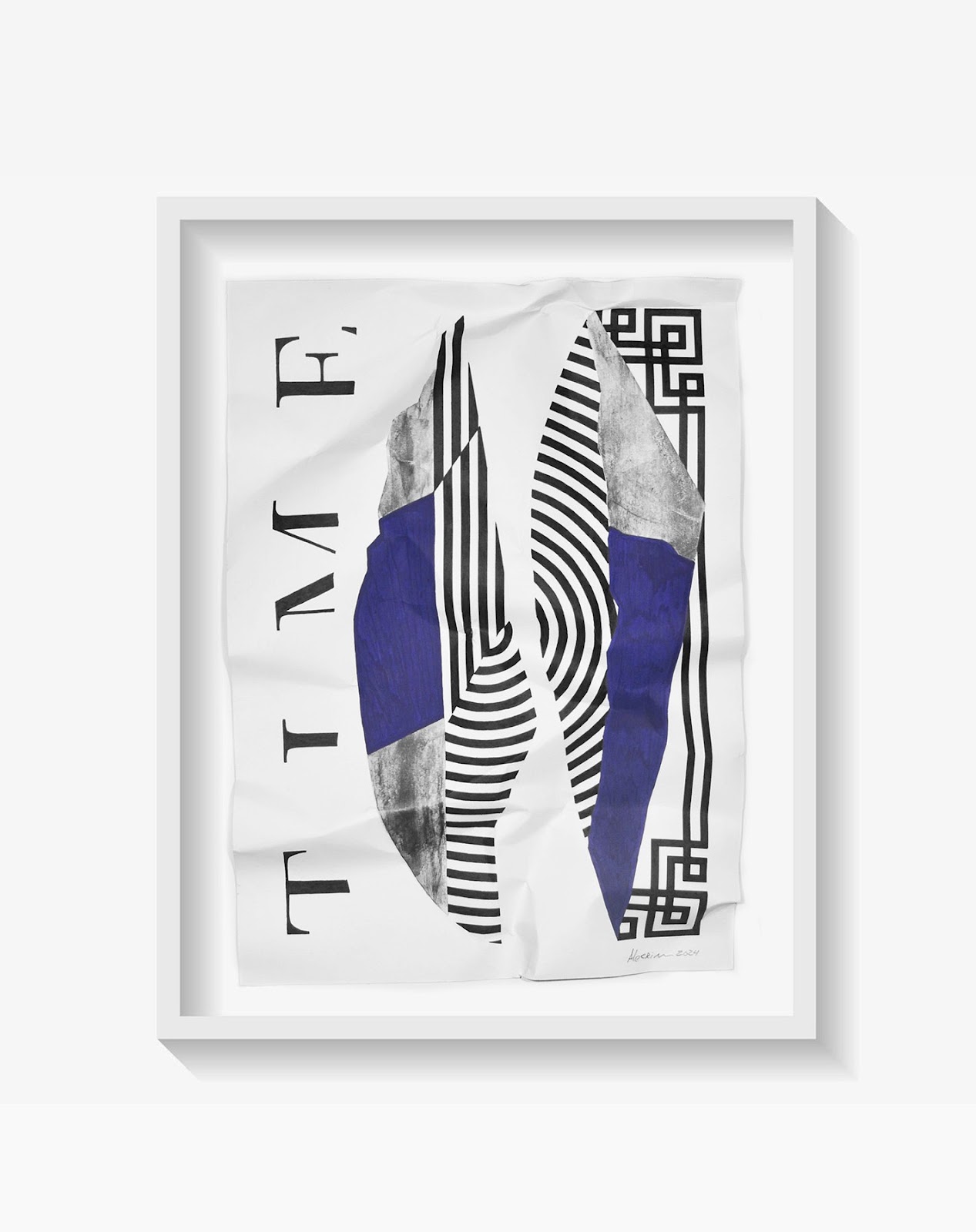
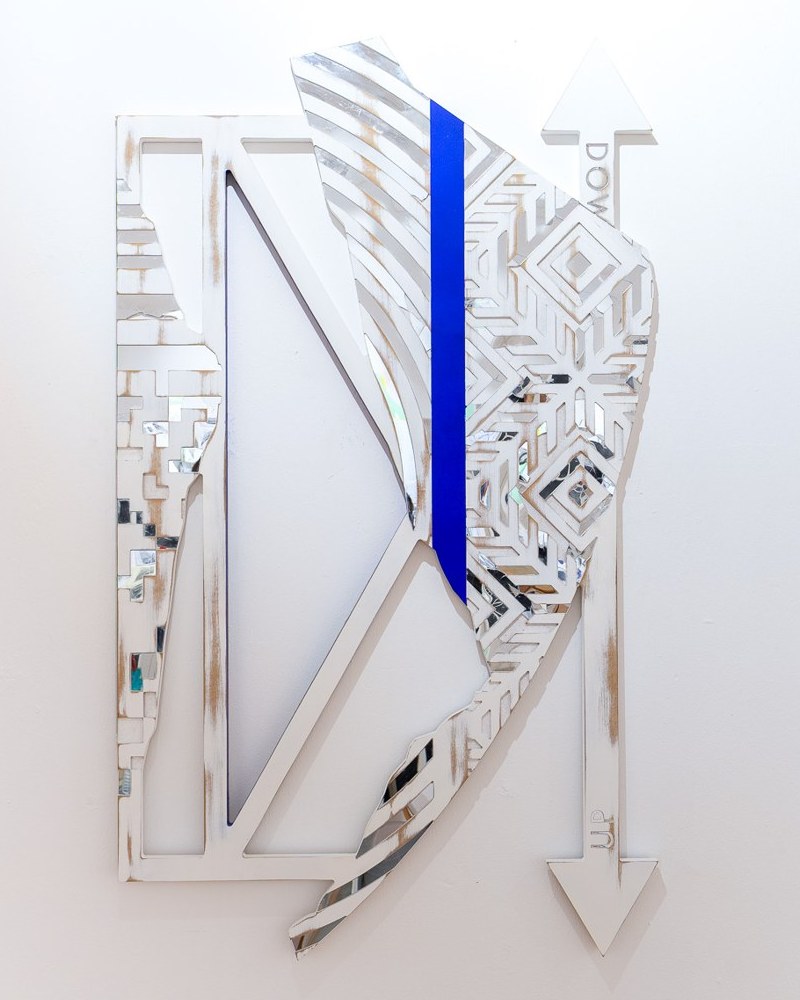
I don't treat the analogue and the digital as two separate practices. The same forms move between paintings, works on paper, screens and space. A painted texture can end up inside a system; a composition from a system can become the starting point for a painting.
What a mockup is, and what it isn't
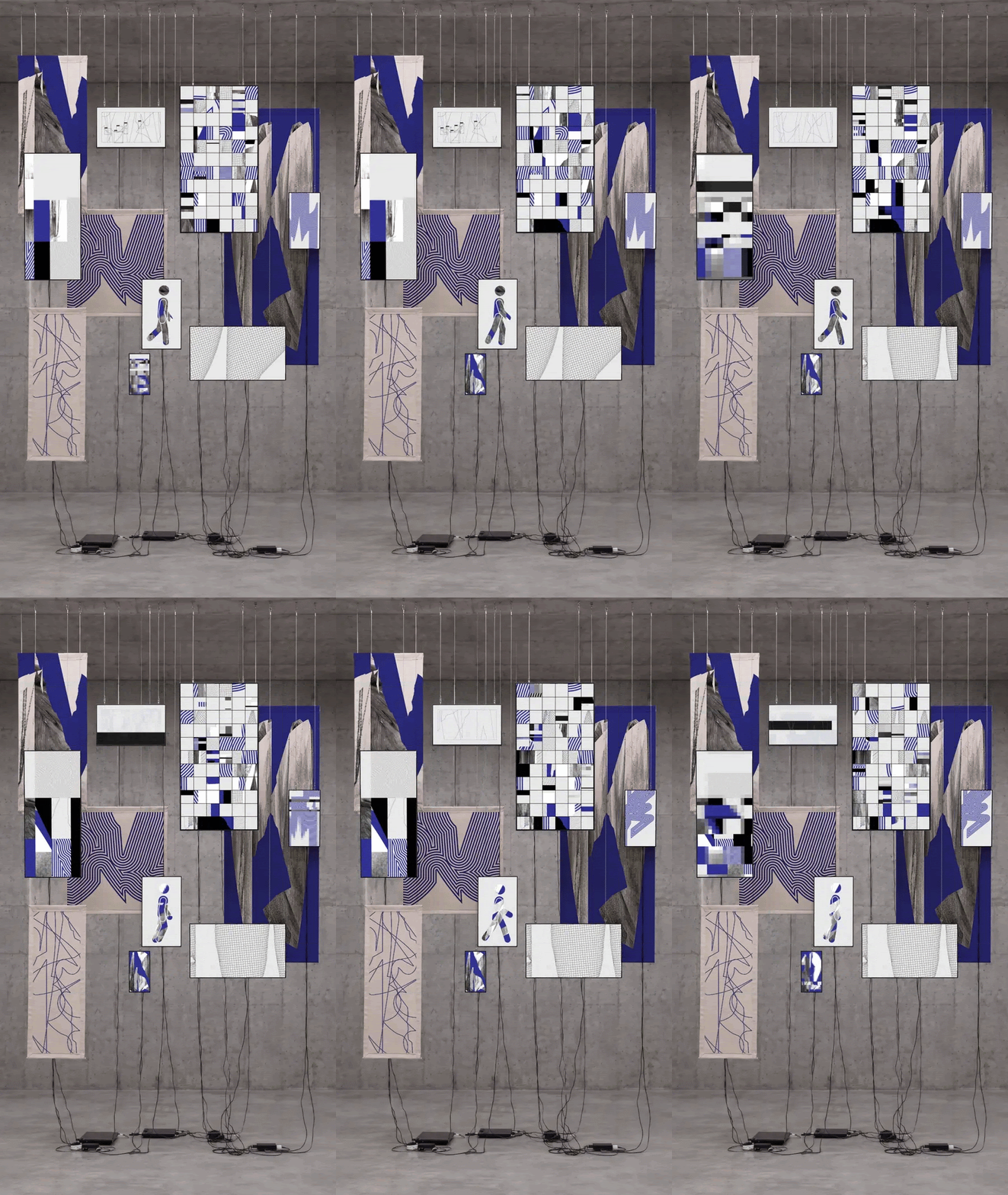
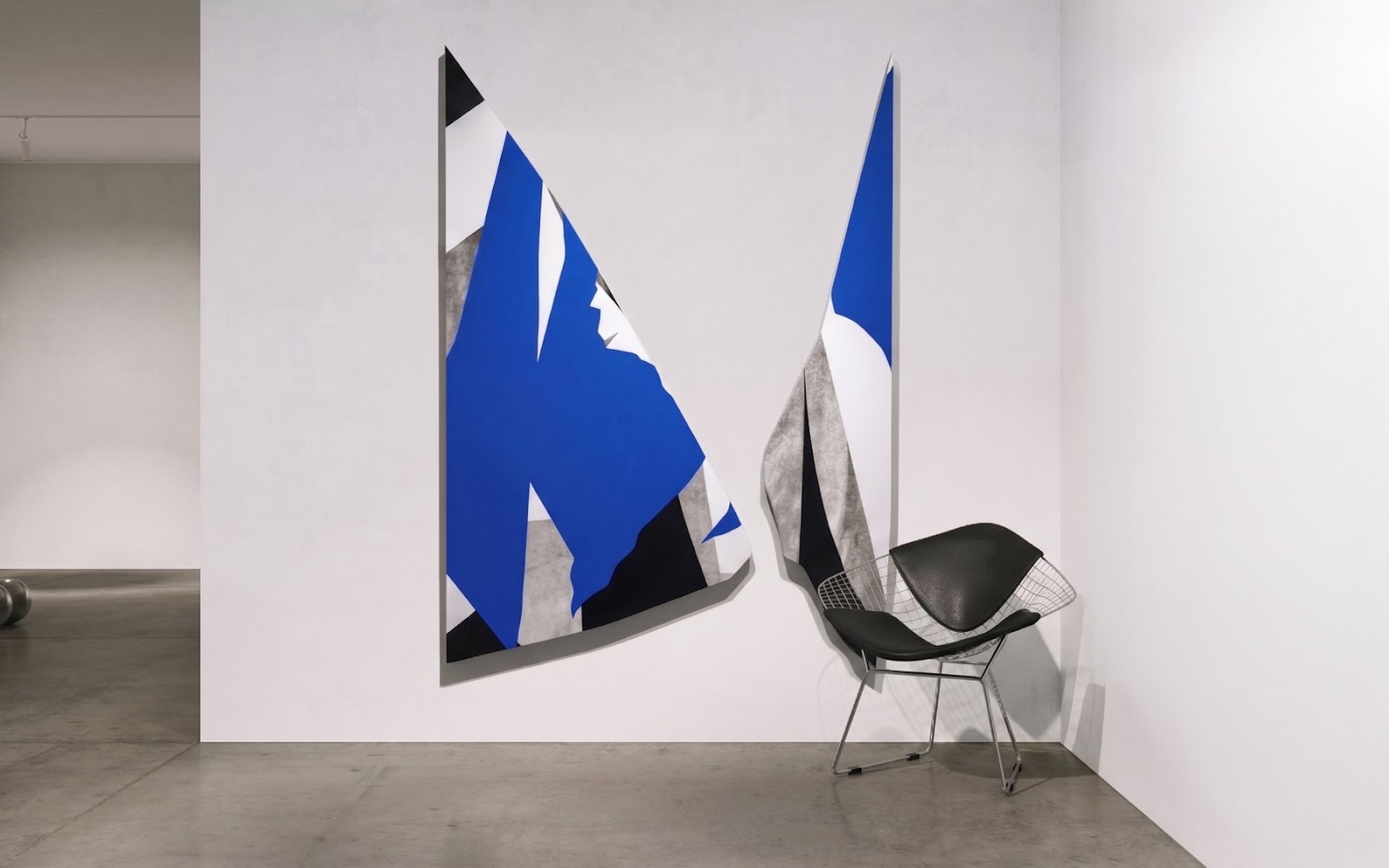
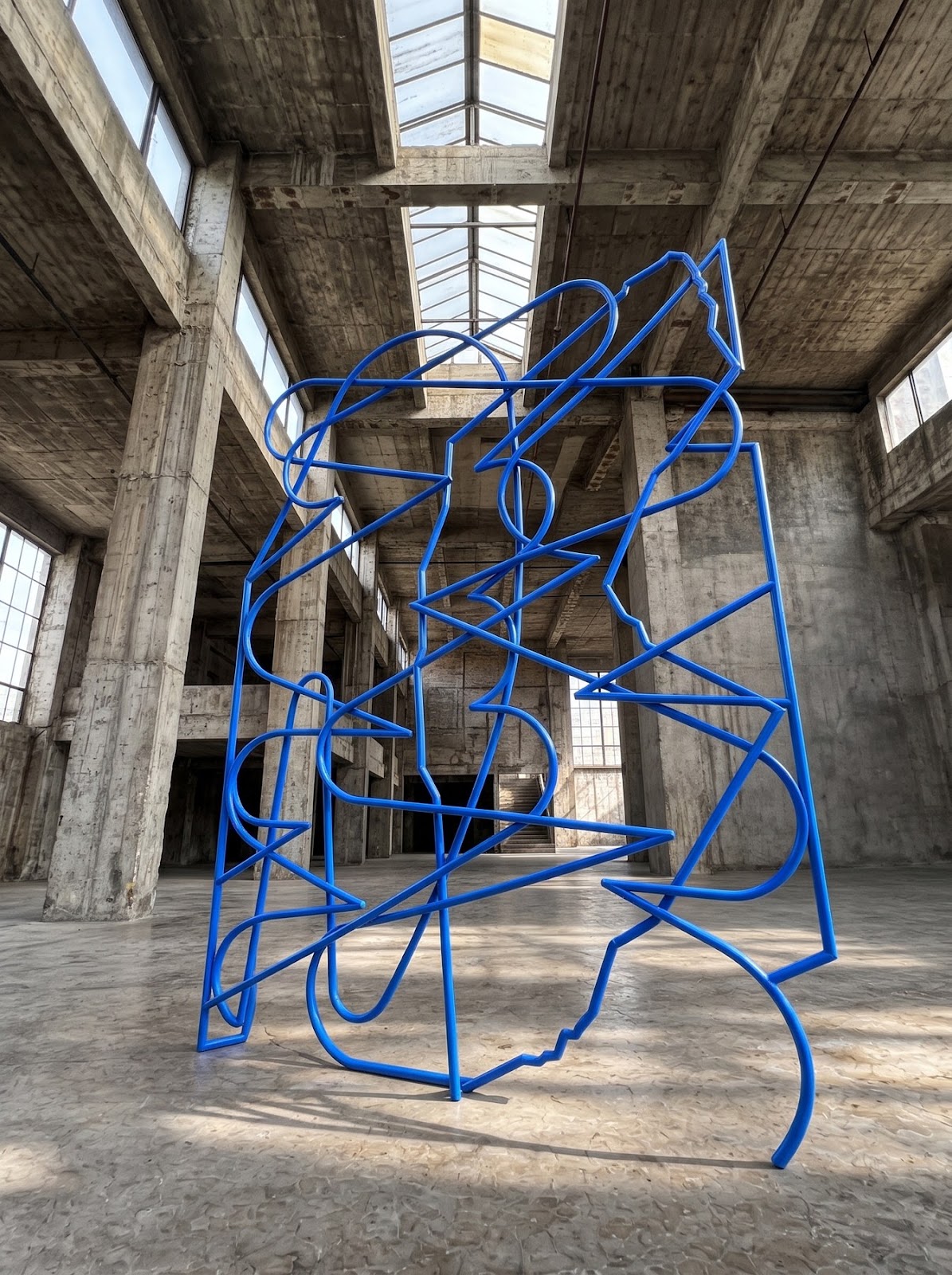
Some images on my site show the systems in places they haven't been installed yet: a screen set into broken concrete, a group of monitors on stands against a wall. These are mockups. They are studies, used to test scale, try an idea and share the vision of a possible work before it exists. Some go further and picture a work at a size, or in a material, it hasn't been made in yet.
The setting is a photograph or a constructed image, sometimes generated with AI, which I then edit and finish myself, the way an architect places a building into a photograph of its site. The forms are mine; the room, the light and the rendering are part of the study. What runs on the screens is never generated: it is the system itself, recorded as it composes.
Who decided
Saying my work is not AI isn't a rejection of technology. It is a question of authorship. The decisions are mine: what goes in, what stays out, what counts as balance. The system carries them further than I could alone, and keeps going when I'm not there.
If anything, technology is where I want to go further. More and more, my work explores the intersection between art and technology: new possibilities, new materials, new ways for a work to stay alive. Without ever leaving painting behind, or what is made by hand, or the human error that comes with it. That duality between human and machine is what fascinates me. The tools change. The authorship doesn't.
Perhaps that is the better question to ask of any image now. Not what made it, but who decided.
New posts and new work go out first in the newsletter.